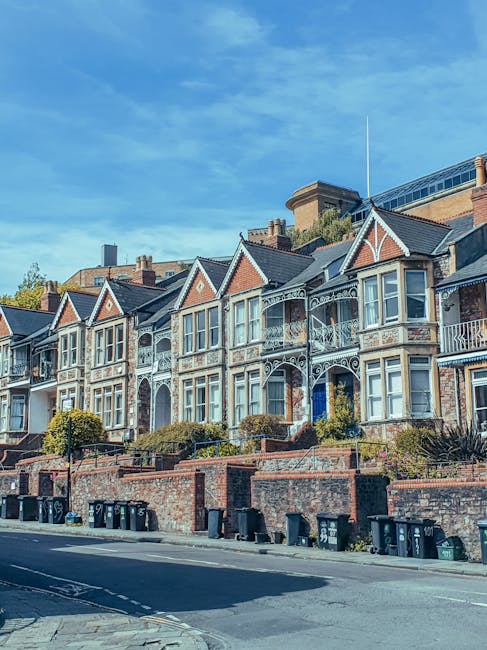
Moving House in Crouch End (N8): Streets, Parking & Tips
Moving house in Crouch End can feel straightforward on paper, then suddenly a bit more complicated once you picture the actual day: narrow residential streets, parked cars on both sides, a van trying to reverse carefully past a school run, and a neighbour who really, really wants to keep their gate clear. That is exactly why Moving House in Crouch End (N8): Streets, Parking & Tips needs a local-first approach, not just a generic moving checklist.
This guide brings together the practical details that matter most in N8: how the street layout affects loading, why parking planning can save your moving day, what to prepare in advance, and the small decisions that make the whole process calmer. Whether you are moving from a flat off Crouch End Hill, a terrace near the Broadway, or somewhere tucked away on a quieter side road, the aim is the same: fewer surprises, less stress, and a cleaner handover at the end.
For readers comparing moving help, it can also be useful to understand the difference between a full house move and lighter transport support. If you are unsure what level of help suits your move, the service pages for home moves and man and van options are a good starting point.
Table of Contents
- Why Moving House in Crouch End (N8): Streets, Parking & Tips Matters
- How Moving House in Crouch End (N8): Streets, Parking & Tips Works
- Key Benefits and Practical Advantages
- Who This Is For and When It Makes Sense
- Step-by-Step Guidance
- Expert Tips for Better Results
- Common Mistakes to Avoid
- Tools, Resources and Recommendations
- Law, Compliance, Standards, or Best Practice
- Options, Methods, or Comparison Table
- Case Study or Real-World Example
- Practical Checklist
- Conclusion
- Frequently Asked Questions
Why Moving House in Crouch End (N8): Streets, Parking & Tips Matters
Crouch End is one of those London areas where the character is a big part of the appeal. Lovely terraces, period conversions, family homes, lively local streets. All good. But the same things that make the area attractive can make moving day tricky. Many roads are busy, some are tight for larger vehicles, and parking is often the first thing that becomes awkward if it has not been thought through early.
Truth be told, most moving problems in N8 are not caused by the boxes themselves. They come from access issues. A van can be late because it had to wait for a space. A sofa can take twice as long to get out if the route from front door to vehicle is obstructed by parked cars. Even something as simple as a narrow hallway can mean you need a smarter loading sequence. None of this is dramatic, but it adds up quickly.
That is why local knowledge matters. In Crouch End, you want to plan around the shape of the street, the time of day, and how close the property is to a practical loading point. The better you understand the area, the easier it is to avoid the classic moving-day headache: standing on the pavement at 8:10am wondering where the van can actually stop.
Expert summary: In Crouch End, the best moves are usually the ones that are planned around access first and packing second. If the street works, the rest tends to go smoothly.
How Moving House in Crouch End (N8): Streets, Parking & Tips Works
A smooth move in Crouch End usually follows a fairly simple sequence, but each step needs a bit of local judgement. The practical question is not just "what needs moving?" It is also "where will the vehicle stop, how long will it stay there, and how will everything be carried from door to van?"
In many N8 moves, the first job is to assess access. That means checking whether the property is on a narrow residential road, whether there is a driveway or just on-street parking, and whether the loading point is close enough for heavy items. A short carry is not glamorous, but it changes everything. A few extra metres can be fine for boxes. Not so great for wardrobes, white goods, or anything awkwardly shaped.
Parking planning is the other big piece. On a busy London street, you often need to think about the moving vehicle as part of the street pattern, not just a visitor pulling up. If the van is large, reversing space matters. If the road is busy, a single loading slot can make a huge difference. Sometimes the move is easiest early in the morning. Sometimes later in the day works better. It depends on the street, the neighbours, and the usual traffic flow.
There is also the packing side. Even the best parking plan will not rescue a badly packed property. Heavy items should be grouped, fragile things wrapped properly, and boxes labelled with room names so they can be placed quickly at the new place. It sounds basic, but on moving day basic is gold. The good kind of boring.
If your move needs hands-on packing support, it can help to review packing and unpacking services in advance, especially if you are working to a tight schedule or moving from a family home with a lot of mixed contents.
What local movers usually check first
- How close the van can get to the property entrance
- Whether there are parking restrictions or permit requirements nearby
- If the street allows safe loading without blocking traffic
- Whether items need to be carried through stairs, narrow halls, or side paths
- How many people are needed to move bulky furniture safely
Key Benefits and Practical Advantages
Getting the planning right in Crouch End does more than reduce stress. It saves time, protects belongings, and often lowers the hidden friction that makes a move feel longer than it should. Let's face it, moving day can already be emotionally noisy. Anything that removes uncertainty is worth doing.
One clear benefit is faster loading and unloading. When the vehicle is positioned well, the team can work in a steady rhythm instead of constantly adjusting to obstacles. Another benefit is less risk of damage. Long carries, tight corners, and improvised parking positions increase the chance of scraped walls, bumped furniture, and strained backs. Nobody wants that.
You also gain more control over timing. If the parking plan is sorted, the move becomes more predictable. That matters if you are waiting for keys, handing over to a landlord, or trying to fit in with building access times. The whole day feels less like a scramble and more like a sequence. Not perfect, just manageable. Which is often enough.
There is another advantage that people sometimes underestimate: goodwill. When a move is well organised, neighbours notice. A tidy load, minimal obstruction, and respectful handling of the street make life easier for everyone. In a place like Crouch End, that counts for something.
| Move factor | Well planned | Poorly planned |
|---|---|---|
| Vehicle access | Short carry, smoother loading | Longer walk, slower turnaround |
| Parking | Clear stopping point near the property | Stress, delays, possible repositioning |
| Furniture handling | Safer carrying route | More strain and more chance of damage |
| Overall experience | Calmer, faster, more controlled | Chaotic, tiring, and less predictable |
Who This Is For and When It Makes Sense
This kind of local moving guidance is useful for anyone relocating within Crouch End, into N8, or out of it. But it is especially helpful if your move involves access quirks that are common in London neighbourhoods.
You will likely benefit from this advice if you are:
- moving from a flat with limited stair access
- moving from a terraced house on a busy street
- dealing with shared entrances or narrow hallways
- trying to move around school-run or commuter traffic
- moving furniture that is bulky, fragile, or heavy
- not sure how parking affects loading time
It also makes sense if you are comparing different levels of service. Some people need a full home move with packing and unloading. Others just need transport and lifting help for a smaller job. If you are somewhere in the middle, a vehicle-and-labour option such as a man with van arrangement may be a practical fit.
A quick rule of thumb: if your property has tricky stairs, limited kerbside access, or a lot of furniture, the move deserves proper planning. If it is a small, light move, a simpler setup may be enough. Either way, thinking about the street first is rarely wasted effort.
Step-by-Step Guidance
Here is a practical way to organise a move in Crouch End without getting lost in the detail. Keep it simple. You can always refine from there.
1. Walk the route before moving day
Look at the street outside your current property and, if possible, the destination too. Check where a vehicle might stop, how close it can get to the door, and whether there are any obvious obstacles such as corners, speed humps, narrow junctions, or heavy traffic flow. A five-minute walk can save a lot of guesswork.
2. Measure the awkward items
Big furniture is where moves become complicated. Measure beds, sofas, wardrobes, appliances, and any item that may need to turn through a tight space. It is much better to know in advance that a wardrobe needs dismantling than to discover it halfway down the stairs. That moment is never fun, to be fair.
3. Prepare packing with the route in mind
Pack heavier items in smaller boxes. Use sturdier boxes for books and kitchenware. Label everything by room, but also by priority if needed. For example, a box marked "open first" for kettle, mugs, chargers, and a few essentials can make the first evening much easier. One small box, big difference.
4. Plan parking and loading time
Decide where the vehicle can stand, how long loading will likely take, and whether the street is better at a certain time of day. If the road is usually busy, an earlier start may help. If there is better space later on, you may choose that instead. The point is to match your timing to the street, not fight it.
5. Reserve enough people for lifting
Heavy items and stairs are a poor combination if there are not enough hands. Even with a smaller move, having the right number of helpers makes the day more controlled. It also reduces the odd awkward shuffle where three people are pretending a sofa is lighter than it really is.
6. Load in a sensible order
Start with the largest items and weightiest pieces, then fill the spaces with boxes and softer items. This helps use the vehicle space efficiently and keeps fragile items safer. At the new property, reverse the process in room order so the unloading is not a chaotic pile at the front door.
7. Leave a small buffer for the unexpected
Moves nearly always take a little longer than hoped. A parking space disappears. Keys are delayed. Someone cannot find the box of curtains. It happens. Build in a buffer so the day does not unravel at the first small delay.
Expert Tips for Better Results
Here is where local experience really helps. The technical part of a move is only half the story. The rest is judgement, timing, and a few habits that make life easier.
Use the front door like a work zone. Keep the immediate area clear. Shoes, recycling, loose mats, and random bits of furniture all slow things down. If you want a move to feel calmer, create a clean path. It is simple, but it matters.
Think in layers, not just boxes. The first layer is access. The second is packing. The third is timing. If access is poor, even excellent packing will feel slower. If packing is poor, access alone will not save you. You need all three working together.
Separate essentials early. Keep documents, medicines, phone chargers, snacks, and a few daily items in a bag you carry yourself. That small bag is oddly reassuring. By late afternoon, when everything else is in transit, you will be glad it exists.
Protect walls and corners. In older properties especially, corners can take a battering if furniture is rushed. A little extra care with blankets or guards can prevent a scuffed wall that sticks in your mind long after the boxes are gone.
Be realistic about timing. A compact flat move on a quiet road may be quick. A larger family move on a busier street may not be. Better to plan honestly than to build the day around wishful thinking. Nobody needs that kind of optimism.
Use specialist help for awkward items. Pianos, large mirrors, glass tables, and bulky wardrobes often justify proper handling. It is not about overcomplicating things. It is about avoiding the kind of awkward lift that nobody wants to volunteer for twice.
Common Mistakes to Avoid
Most moving mistakes are preventable. And yes, the same mistakes do keep happening. Usually because people are busy, tired, or hoping a problem will sort itself out. It rarely does.
- Ignoring parking until the day itself. This is the big one. If the van cannot stop safely, everything else gets harder.
- Underestimating the carry distance. A short walk from property to vehicle feels longer when you are carrying a lamp, a box, and your patience.
- Packing too many heavy items in large boxes. Book boxes should not become small engine blocks.
- Leaving dismantling too late. Beds, desks, and wardrobes often take longer than expected.
- Forgetting the new property access. People focus on leaving the old place and forget that unloading is a job in itself.
- Not marking fragile items clearly. One rushed label is better than none.
- Assuming the street will be free. On busy London roads, assumptions are expensive.
One small aside: if your plan relies on a "lucky parking space appearing," that is not really a plan. It is a hope with tyres. Better to do the groundwork.
Tools, Resources and Recommendations
You do not need a van full of gadgets to move well, but a few practical tools make the day easier. The goal is to reduce friction, not create a cinematic packing montage.
Useful moving tools
- sturdy boxes in mixed sizes
- packing tape and a tape dispenser
- marker pens for room labels
- bubble wrap or paper for fragile items
- blankets or covers for furniture protection
- gloves for grip and hand protection
- a trolley or sack truck for heavy loads where appropriate
Practical service options to consider
If your move includes a lot of furniture or you want extra flexibility, a larger vehicle may be more suitable. In that case, a moving truck or removal truck hire option may fit better than a smaller vehicle. For bigger household relocations, you may also want to look at house removalists if you want more hands-on support through the whole process.
Some people also prefer to compare support levels before committing. That is sensible. If you are budgeting carefully, it helps to review pricing and quotes early so there are no surprises later. And if you are moving items out rather than into a full house, you might find furniture pick-up helpful for a smaller, more focused job.
Simple home-prep tools that actually help
- a notebook or phone checklist
- sticky labels for room names
- old towels for protecting surfaces
- small zip bags for screws and fixings
- a fully charged phone and power bank
Law, Compliance, Standards, or Best Practice
Moving house in Crouch End is not usually about complicated legal procedure, but there are still practical standards and responsibilities worth respecting. Parking, vehicle positioning, and street access should be handled carefully so that neighbours, pedestrians, and other road users are not put at risk or unduly blocked.
If you are using on-street parking or loading near your property, it is wise to understand local restrictions before moving day. That may involve checking signposted rules, timing limits, and any permit-related conditions that apply in the area. The exact position can vary by street, so a quick local check is worth doing rather than assuming it will be fine. In London, small differences between roads can make a big difference.
Best practice also includes safe lifting and sensible weight distribution. Boxes should be packed so they can be carried without breaking, and heavier items should be handled by enough people for the job. If a staircase is steep, narrow, or awkwardly turned, it is better to slow down than to force the issue. Safe, steady movement beats fast and clumsy every time.
Insurance and vehicle safety matter too. If you are relying on professional help, it is reasonable to ask how items are protected in transit and what safety measures are used on loading day. For anyone comparing providers, the details on insurance and safety are worth reviewing, alongside health and safety policy information where available.
There is also a broader responsibility to minimise unnecessary waste. If your move produces old packaging, broken items, or furniture you do not want to take with you, plan ahead for responsible disposal or reuse where possible. The page on recycling and sustainability can help frame that thinking in a practical way.
Options, Methods, or Comparison Table
Choosing the right move setup in Crouch End often comes down to the size of the property, the access conditions, and how much support you want on the day. There is no single best option. Just a better fit.
| Option | Best for | Pros | Trade-offs |
|---|---|---|---|
| Man and van | Smaller flats, lighter moves, flexible timing | Simple, often efficient, good for short-notice jobs | May not suit larger household moves |
| Man with van | Mid-sized moves, furniture transport, local trips | Practical for awkward items and smaller home moves | Capacity may be limited for larger loads |
| Home move service | Full household relocations | Better for full packing, loading, and unloading support | Usually more involved to arrange |
| Truck-based move | Large loads, multiple rooms, bulk furniture | More space, better for big clear-outs or full homes | Needs stronger access and parking planning |
If your move is mostly furniture and a manageable number of boxes, a smaller vehicle solution may be perfectly fine. If you are moving a whole family home, a larger service is usually safer and less stressful. The key is matching the method to the street, not just the inventory.
Case Study or Real-World Example
Picture a typical Crouch End move: a two-bedroom flat on a residential street not far from the Broadway, with a narrow staircase and a mix of heavy books, a sofa, and a couple of awkward bedroom pieces. Nothing extraordinary. But the details matter.
In this kind of move, the first win is usually parking. If the vehicle can stop close enough to the entrance, the team does not waste energy carrying items far down the pavement. The second win is preparation. The sofa is measured in advance, the bed is dismantled the evening before, and the boxes are labelled by room. A small "first night" bag stays with the homeowner. Simple, but effective.
On the day, the loading runs better because the route is clear and the street plan was thought through in advance. The heavier furniture goes out first. Fragile items are kept separate. At the new property, the unloading order is sensible rather than random, so the essentials land where they should. No drama, no frantic searching for the kettle at 9pm.
That is the kind of move people usually remember positively. Not because it was thrilling. Because it felt under control. And honestly, that is enough.
Practical Checklist
Use this checklist in the final 48 hours before your move. Print it, save it, scribble on it. However you work.
- Confirm the moving date, time, and access window
- Check where the vehicle can safely stop near both properties
- Review local parking restrictions and loading conditions
- Measure any large or awkward furniture
- Dismantle beds, tables, or wardrobes if needed
- Pack fragile items carefully and label them clearly
- Create a box or bag for essentials and valuables
- Protect floors, corners, and high-contact areas if needed
- Keep pathways clear inside the home
- Arrange help for heavy lifting if the move needs it
- Set aside cleaning supplies for final checks
- Leave time for keys, handover, and any last-minute issue
Quick takeaway: if the street access is sorted, the packing is sensible, and the timing has a small buffer, moving in Crouch End becomes much more manageable. That really is the heart of it.
If you are ready to talk through your move, choose the support level that fits your home, your furniture, and your street. A well-planned conversation now can save a lot of rushing later.
Get a free quote today and see how much you can save.
Conclusion
Moving house in Crouch End does not need to be a battle. It just needs the right kind of attention: to streets, parking, timing, and the practical realities of London access. Once those are handled properly, the rest becomes much less daunting.
The nicest thing about a good move is that you barely notice the problems that never happened. No blocked street. No last-minute panic about the van. No mystery pile of boxes dumped in the wrong room. Just a steady, organised day that gets you from one home to the next with your sanity mostly intact.
And when the dust settles, the kettle is on, and the last box is finally in place, that quiet sense of relief is worth a lot. One step at a time, that is how the better moves happen.
Frequently Asked Questions
What should I check first when moving house in Crouch End?
Start with access. Check where the vehicle can stop, how far the carry will be, and whether the street has parking restrictions or loading issues. That part shapes everything else.
Is parking usually the biggest problem on moving day in N8?
Often, yes. In busy London streets, parking and loading access can cause the most delay. If parking is planned well, the rest of the move usually feels much easier.
Do I need a larger vehicle for a Crouch End move?
It depends on the size of your home and how much you are moving. Smaller flats may suit a man and van style move, while full houses or bulky furniture may need a larger truck or full removal support.
How far in advance should I plan the move?
As early as you can, especially if you have tight access, a lot of furniture, or a moving date that falls during a busy period. Early planning gives you more choice and less stress.
What are the most common packing mistakes?
Overfilled boxes, poor labelling, and leaving fragile items under-protected are the big ones. Heavy items should go in smaller boxes so they are easier and safer to carry.
Is a man and van service enough for a house move?
Sometimes. It works well for smaller or medium-sized moves, furniture transport, and local jobs. For larger homes or more complex access, a fuller service may be more suitable.
Should I dismantle furniture before moving day?
Usually, yes, if the item is awkward or unlikely to fit through the route in one piece. Beds, wardrobes, and large desks are often easier to move once partly dismantled.
How can I make unloading quicker at the new property?
Label boxes by room, keep essentials separate, and make sure the route from vehicle to entrance is clear. A sensible unloading order saves a surprising amount of time.
What if the street outside my property is too narrow for the van?
Then you need to plan a safe alternative loading point and allow extra time for the carry. This is very common in London, and it is much better to deal with it in advance than on the day.
Are there any safety issues I should think about?
Yes. Heavy lifting, stairways, tight corners, and poor parking can all create risk. Use enough people for the job, protect the route, and avoid rushing bulky items through awkward spaces.
Can I move at any time of day in Crouch End?
Not always. The best time depends on local traffic, parking availability, and any restrictions that apply on your road. Early planning helps you choose the most practical window.
What is the best advice for a first-time mover in N8?
Keep it simple: plan parking early, label your boxes clearly, pack a essentials bag, and do not underestimate the street layout. A calm, organised move is usually a better move.